International Day of the Midwife
April 22, 2026
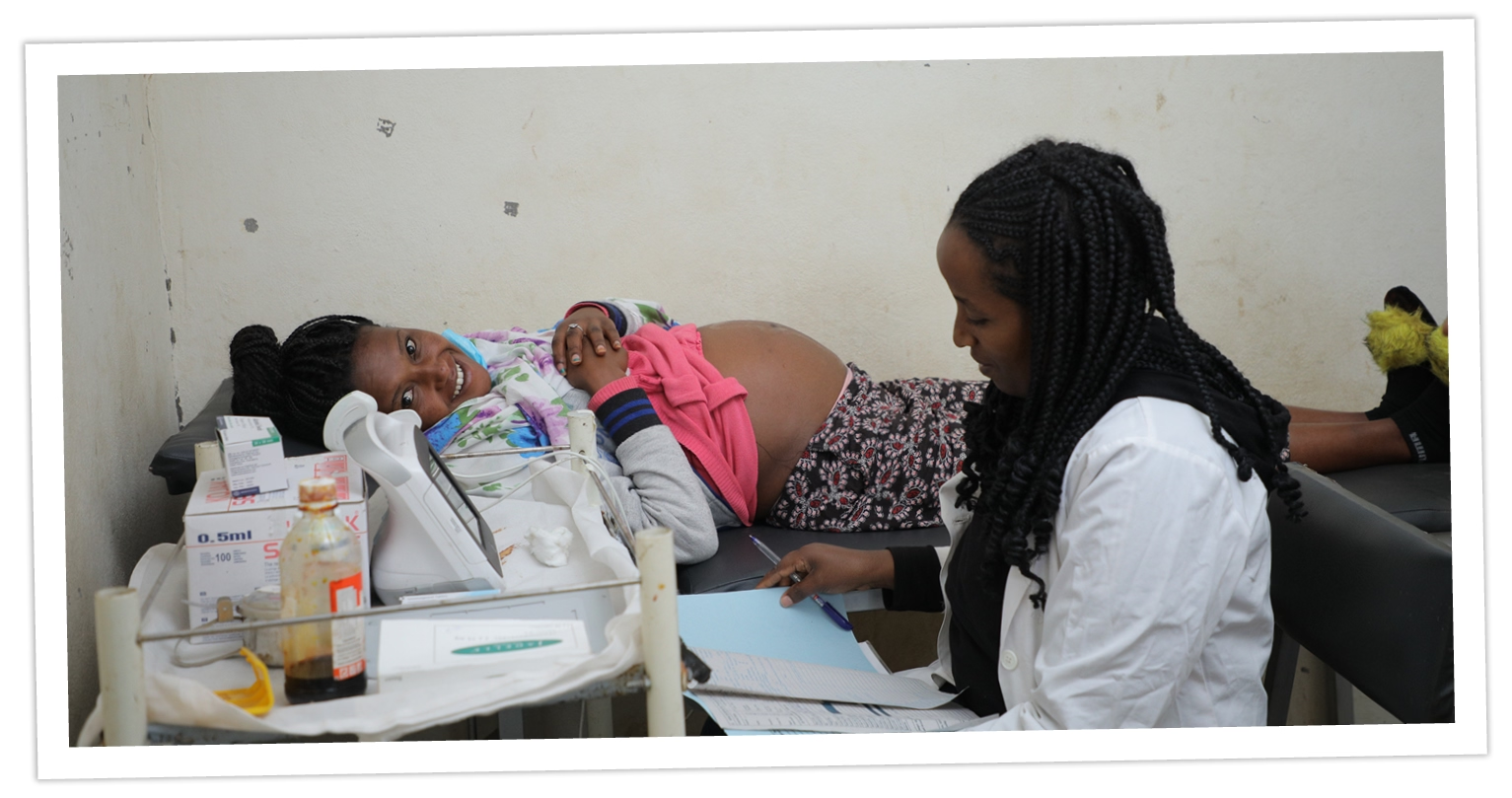
The International Day of the Midwife is annually celebrated on 5 May and was established in 1992 by the International Confederation of Midwives (ICM) to celebrate and raise awareness about the midwifery profession.
For the Hamlin Fistula Ethiopia team, it’s an opportunity to applaud the life-saving work that Hamlin Midwives do every day. Dr Catherine Hamlin believed that every woman has a right to quality maternal healthcare. Hamlin Midwives save the lives of thousands of mothers and babies every year. They are the key to eradicating obstetric fistula in Ethiopia.
To be able to train dedicated young midwives is marvellous for me. They become enthusiastic about helping these poor women. One day rural Ethiopia will be full of midwives giving skilled care for mothers in labour.
– Dr Catherine Hamlin AC
Expanding the midwifery workforce
The theme for this year's International Day of the Midwife is One Million More Midwives.
According to the International Confederation of Midwives, globally we face a shortage of midwifes, and many of those in the profession have not been enabled to work to their full scope of practices.
Expanding this workforce is critical if we are to ensure all women, including those in Ethiopia, can give birth safely. Midwives are trusted within their communities and can provide up to 90% of sexual, reproductive, maternal, newborn and adolescent health services, even during humanitarian crises.
It’s important to ensure midwives are safe and are equipped with the training, tools and resources they need to save lives and protect rights in the most challenging settings, like in rural Ethiopia. With minimal resources, Hamlin Midwives are:
- Providing safe births, antenatal and postnatal care
- Preventing obstetric fistula and other horrific childbirth injuries
- Supporting breastfeeding, ensuring newborns receive safe, clean and reliable nutrition
- Educating women and their communities and providing them with the knowledge and tools they need to enjoy a safe and healthy pregnancy and childbirth.
Blen feels “lucky to be a midwife”
Blen graduated from the Hamlin College of Midwives in 2016. She works at the Boko Health Centre in Fedis Woreda as a midwife and team leader.
“I believe being a Hamlin Midwife is a blessing. I was fortunate to receive my education at the College and I feel very lucky for this opportunity.
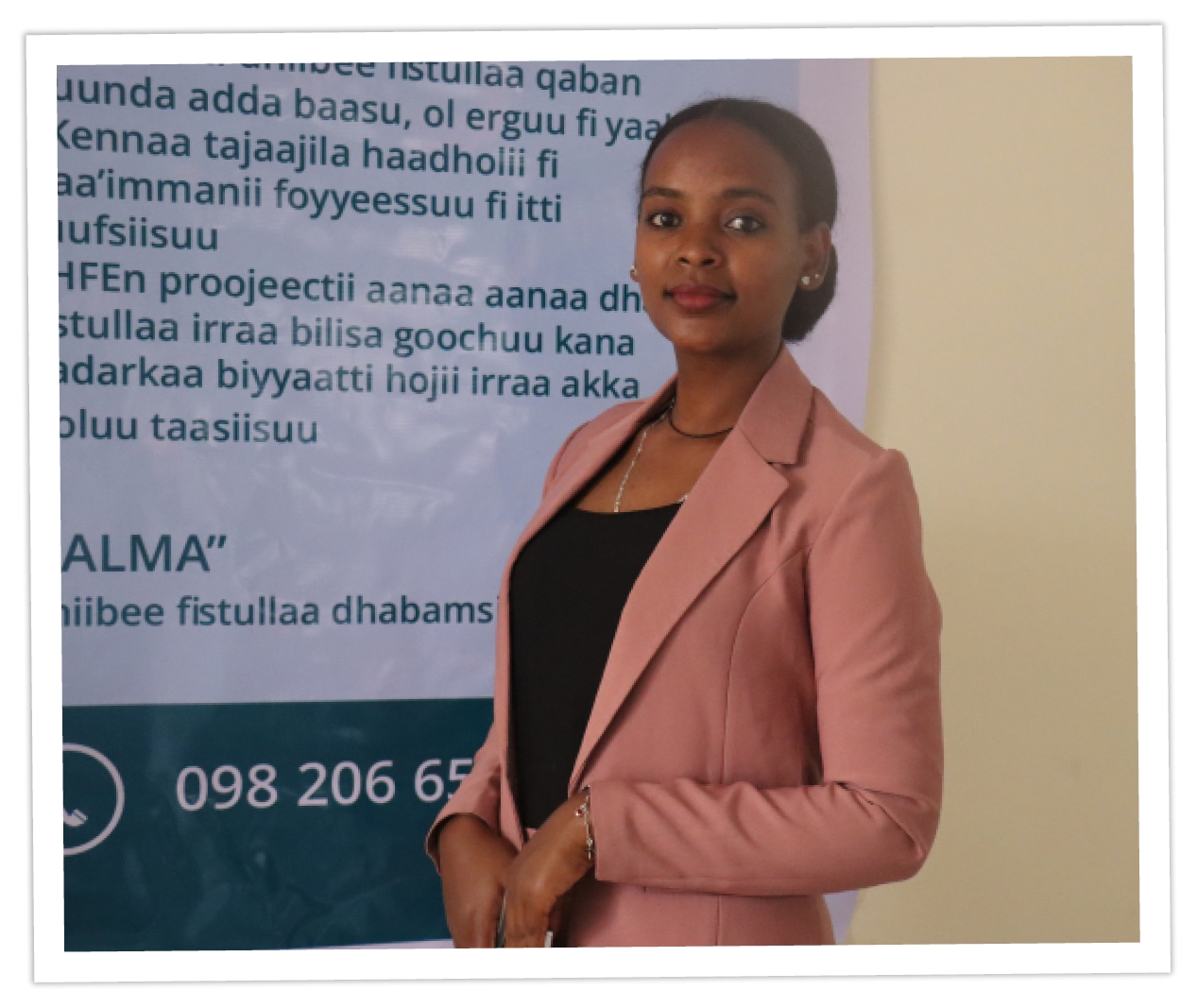
When a woman discovers her pregnancy I provide antenatal care including a follow-up schedule and health education. I reassure her about delivering at the health centre. It is crucial to manage situations early - if complications arise, we must send the mother to the nearest hospital for advanced care. During delivery, I provide care based on the protocols I learned in my education, ensuring a safe delivery. I also offer essential newborn and follow up care.
The lack of standard resources and the latest equipment remains a significant challenge. Another challenge is that women may deliver at home with the assistance of traditional birth attendants. They may only arrive when they are in the second stage of labour which presents a significant challenge for us.
When I was less than three months into my career, I helped a woman deliver her baby after a long labour. But the baby was in distress so I continued to work to save the baby. I was filled with hope and excitement when he began to cry properly. I placed him with his mother and helped initiate breastfeeding.
I cannot express the joy I felt at that moment. I proudly said, ‘I am very lucky to be a midwife.’ The family of that baby still thinks of me and knows me. When they say, "Your child is growing" it brings me a deep sense of joy. I am truly delighted to hear this.”
Project Zero is preventing fistula injuries
Project Zero, Hamlin’s ground-breaking program to accelerate eradication of obstetric fistula, is strengthening maternal healthcare services within Ethiopia to reduce the incidence of birth injuries.
The sixth pilot is now operational in Arbegona Woreda, south of Addis Ababa. Awareness-raising and educational activities have started for healthcare providers in marketplaces, schools and religious institutions. House-to-house patient identification activities began in March.
The woreda’s maternal healthcare system was assessed using the Hamlin standard assessment, identifying gaps in the management, skills and knowledge of the woreda’s maternal healthcare centres and providers. The goals include renovating and upgrading the health centres to Hamlin standards.
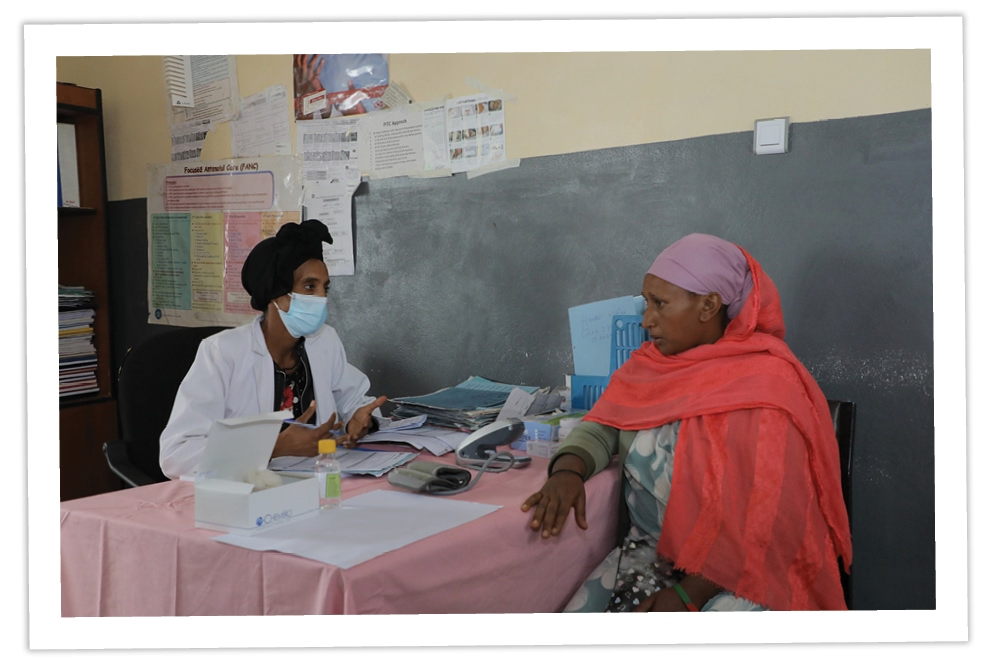
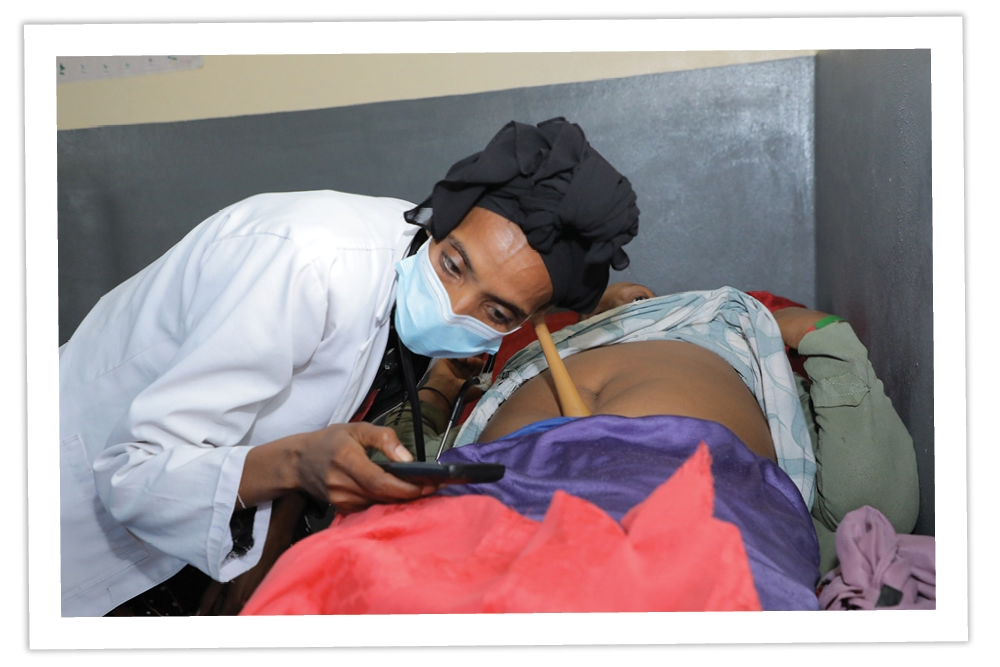
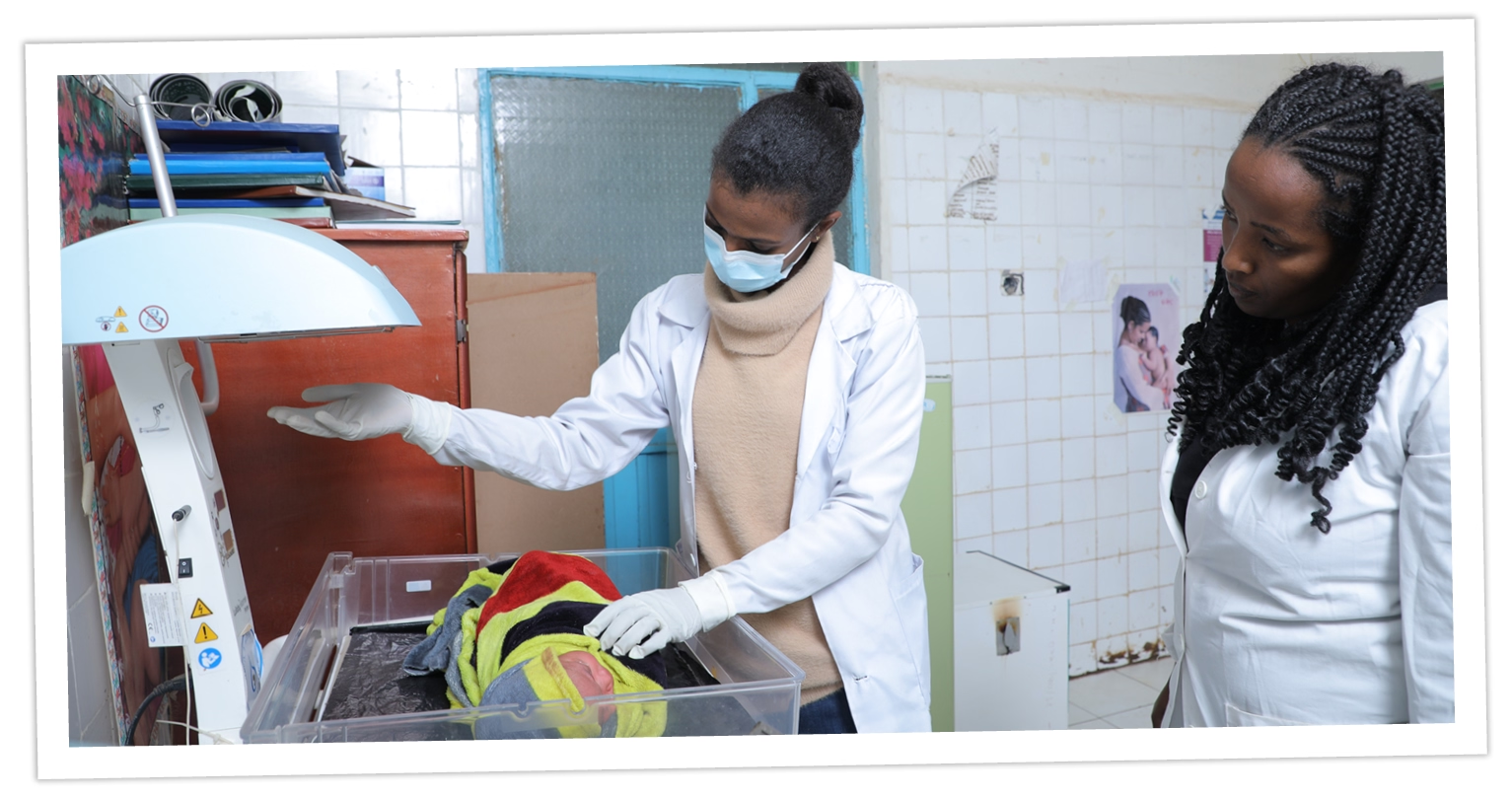
Hamlin Midwife Mentors provide mentoring to government midwives and Maternal Healthcare (MHC) teams. They review existing practices and making many improvements including:
- Reorganising the clinical areas, including the creation of a ‘newborn corner’
- Educating staff on the most up-to-date clinical care practices, eg: extending post-partum care hours with increased comprehensive checks on mothers and newborns
- Introducing improved Infection, Prevention and Control (IPC) procedures
- Changing to a more woman-centred model of care
- Improving documentation and establishing robust stock management controls.
The life-saving work of Hamlin Midwives is only possible thanks to the generosity of our supporters.
From recruiting students from regional and rural Ethiopia and funding scholarships at the Hamlin College of Midwives, to stocking Hamlin-supported midwifery clinics, our supporters are helping to transform the maternal health care landscape in Ethiopia.
Donate today to help train a new generation of skilled midwives in Ethiopia.


Catherine Hamlin Fistula Foundation acknowledges the Traditional Owners and Elders past, present and emerging throughout Australia and the Gadigal people of the Eora Nation, the Traditional Owners of the land and waterways on which our Australian office is situated. We acknowledge the many ethnic groups in Ethiopia and their ancestral and cultural connection to the land where our work is undertaken.