International Day to End Obstetric Fistula
May 04, 2026
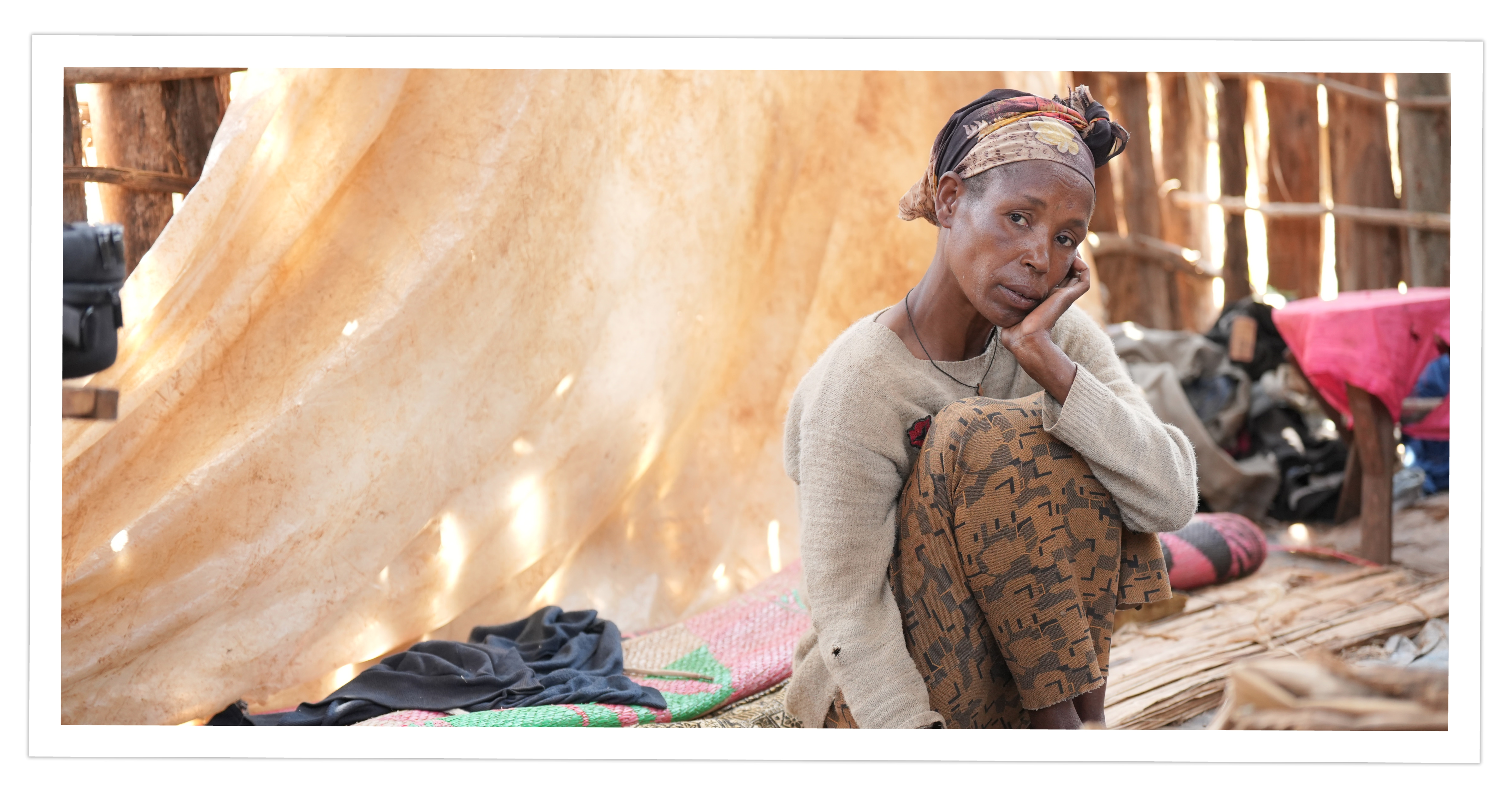
Every year on 23 May, the International Day to End Obstetric Fistula shines a light on one of the most devastating childbirth injuries a woman can endure.
Caused by prolonged obstructed labour without timely medical care, obstetric fistula leaves women incontinent, traumatised and often isolated from their families and communities.
For women like Genet, the injury stole 17 years of health, dignity and hope.
At Hamlin Fistula Ethiopia and Catherine Hamlin Fistula Foundation, we have one goal: to eradicate obstetric fistula and other devastating childbirth injuries.
That means providing world-leading surgical treatment and compassionate care, while also strengthening access to skilled maternal healthcare to protect future generations of women.
Too many women in Ethiopia are living with obstetric fistula, unaware that treatment is available. For almost two decades, Genet endured the shame, isolation and physical pain that this devastating childbirth injury can cause.
Find her
Heal her
Restore her
Bring her home
Fortunately, Genet was found by one of Hamlin’s Patient Identification Officers, who travel to remote communities in search of women living hidden with childbirth injuries.
But this is only part of how Hamlin Fistula Ethiopia is working to end obstetric fistula.
Dr Catherine said: "The key to a fistula-free world lies in preventative measures." That is why Hamlin’s work goes beyond surgery. Through the Hamlin College of Midwives and support for rural midwifery clinics, we are helping bring quality maternal healthcare closer to women, preventing obstetric fistula and other childbirth injuries before they happen.
Five facts about obstetric fistula
Ending obstetric fistula in Ethiopia will mean women are:

Free of incontinence caused by fistula injuries and the stigma and isolation it brings

Confident of delivering their babies safely

Not suffering agonising, obstructed labour, often for many days

Able to access quality maternal health care, regardless of where they live
“Now that I am cured, I will no longer face any frustration when I return home. I am free to work and support my family. I will live as I did in my childhood—playing and laughing with the people around me.”
- Genet

You can help make Dr Catherine’s vision of a fistula-free Ethiopia a reality
- Donate: Your financial support is powerful. Give a one-off or monthly donation to heal and empower women and help build a fistula-free future.
- Fundraise: Get your friends and family together and help make a difference to women in Ethiopia. You can get active, get crafty or get social for a good cause.
- Spread the word: Share this story on social media and encourage others to learn more. Keep up to date with the latest news in the fight to eradicate fistula by following Hamlin on social media or signing up for our newsletter.
Thank you for your kindness and compassion.


Catherine Hamlin Fistula Foundation acknowledges the Traditional Owners and Elders past, present and emerging throughout Australia and the Gadigal people of the Eora Nation, the Traditional Owners of the land and waterways on which our Australian office is situated. We acknowledge the many ethnic groups in Ethiopia and their ancestral and cultural connection to the land where our work is undertaken.